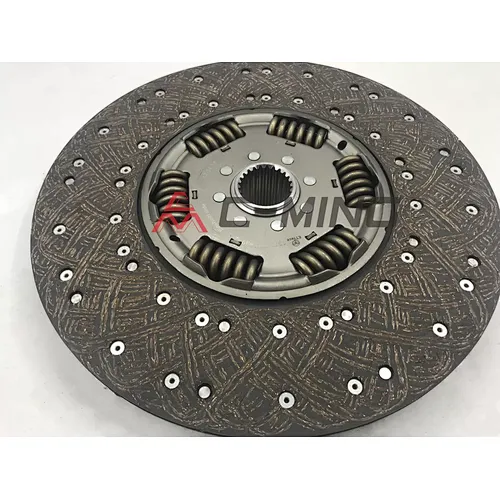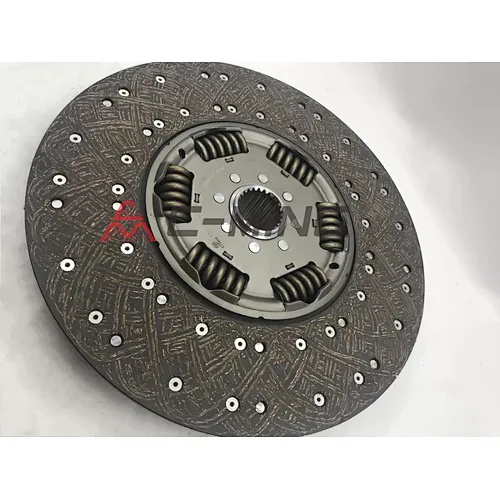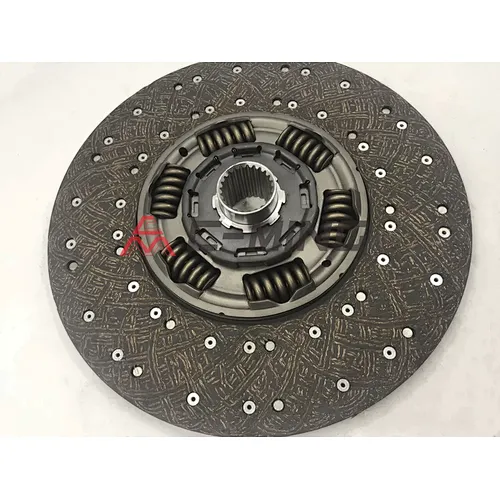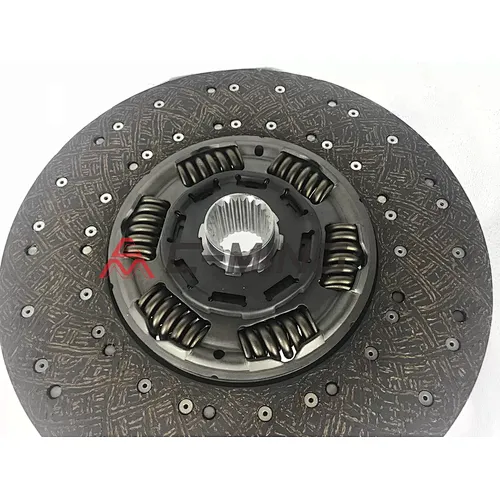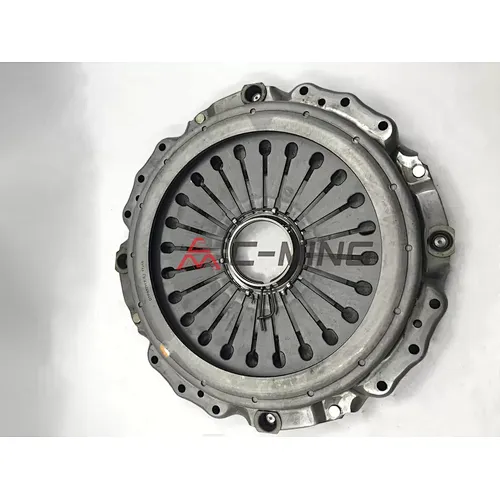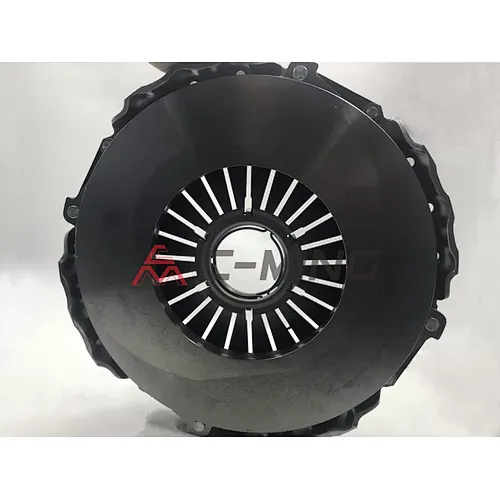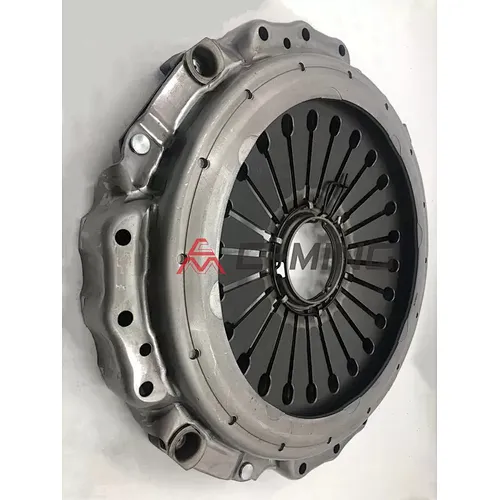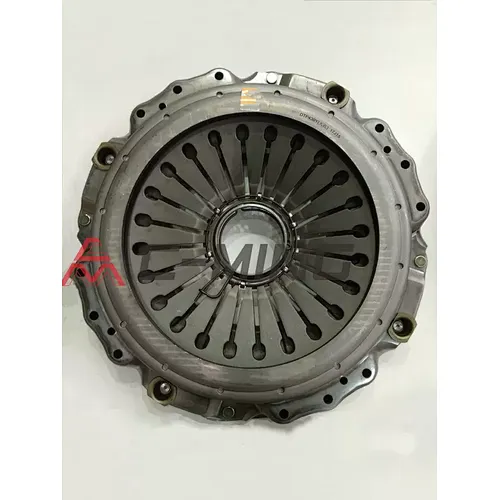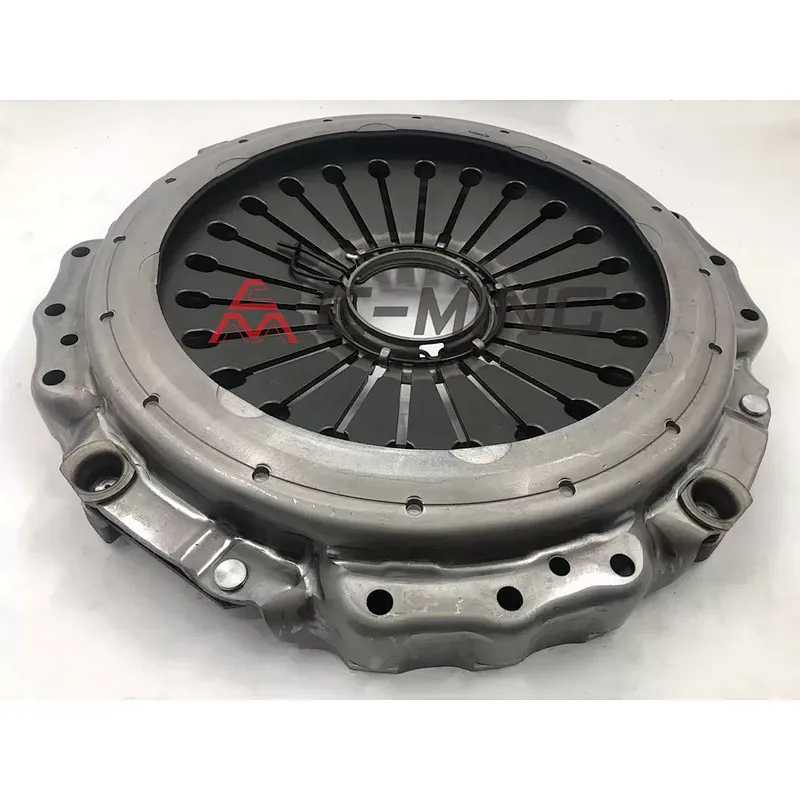
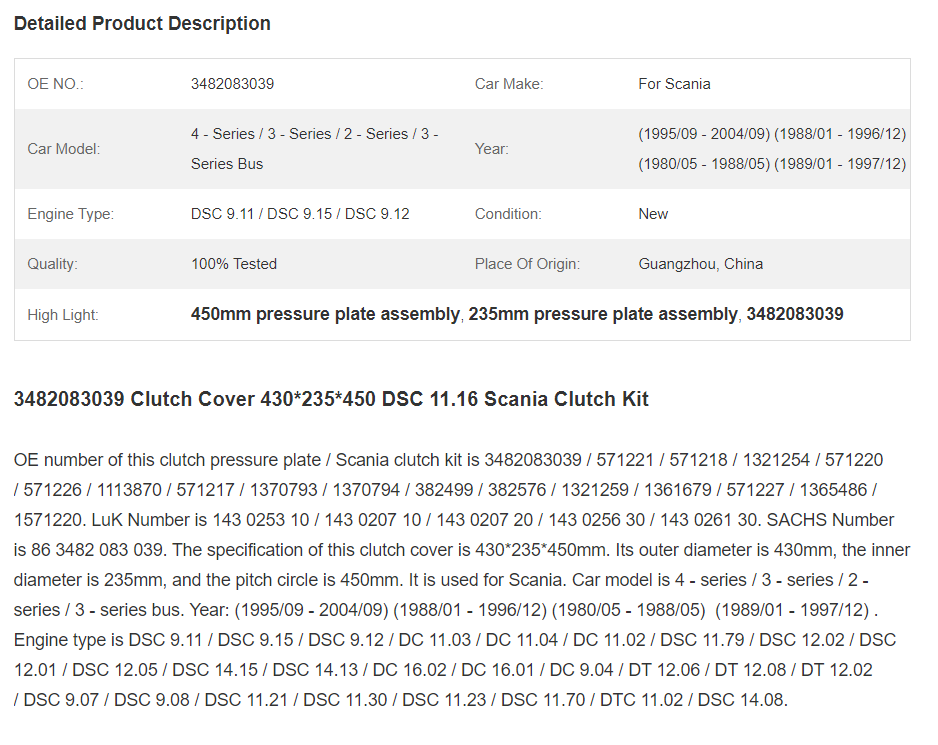
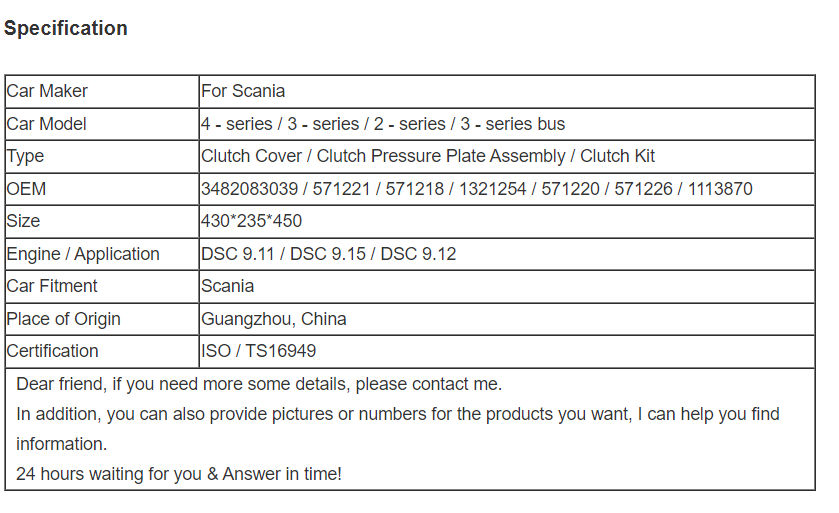
Detailed Image
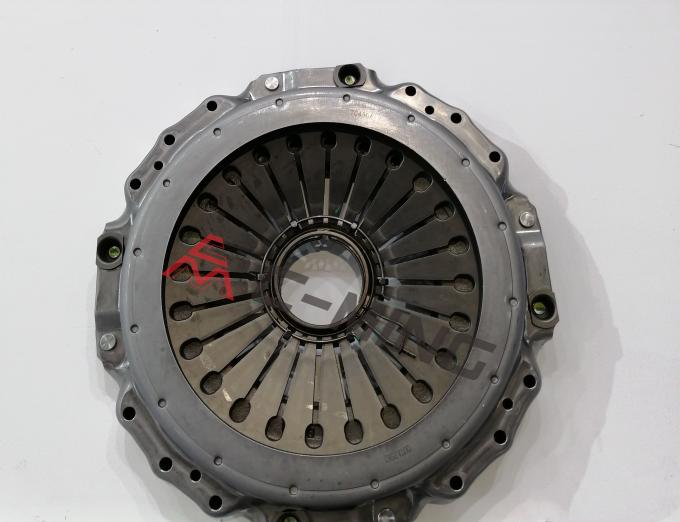
A Traditional Clutch Assembly Contains the Following Components:
- Clutch Disc – connects to transmission
- Release Mechanism (mechanical or hydraulic)
- Cable – connects between clutch pedal and fork
- Linkage – connects fork to pressure plate
- Pressure Plate – connects to clutch disc
- Flywheel – connects to engine
- Pilot Bearing –
- Release or “throw-out” Bearing
- Clutch Fork – modulates force between pressure plate and clutch via linkage
What are the most common clutch issues or problems?
Clutch Slipping – This problem usually happens when the clutch tries to engage, but the discs do not mate securely. This is most often due to operator error or abuse. The typical cause is riding the clutch, poor friction point, or oil contamination. Usually an adjustment will fix the problem before extensive damage can occur.
Clutch Sticking or Grabbing – this issues is a noticeable stick or grab of the gears, often called chattering. The problem could be one of the following: clutch cable needs to be replaced, the flywheel is warped or damaged, or oil contamination of the clutch linings has occurred.
Pedal to the Floor – first try adjusting the cable, if not then the clutch needs to be inspected.
Most Clutch problems can be discovered quickly just by listening to your vehicle as you shift gears. Early diagnosis can save major headaches in the long run.
Send Message
Related Products